Hemp-Derived Products in the UAE: Types & Regulations
Hemp-Derived Products in the UAE: Types & Regulations, Hemp-derived products in the UAE are a topic that requires careful attention because the term “hemp-derived” can describe very different products, while UAE regulations can treat cannabis-related substances differently depending on their composition and classification.
Hemp and cannabis are closely related plants, but products made from them can range from industrial textile fiber to cannabinoid-containing extracts. A product’s marketing description alone does not establish whether it can legally be imported, possessed, sold, or used in the United Arab Emirates.
The UAE has strict controls concerning cannabis and controlled substances. For example, an official UAE Ministry of Health and Prevention document lists Cannabis sativa (Indian hemp) under the UAE narcotic schedule and identifies it as prohibited for travelers.
This guide explains the main categories of hemp-derived products, how they differ, and what consumers and businesses should consider when researching them in the UAE.
What Does “Hemp-Derived” Mean?
Hemp is generally used to describe varieties of Cannabis sativa cultivated for purposes such as fiber, seed, food ingredients, or other industrial applications.
“Hemp-derived” simply means that a product originates from hemp or hemp-related plant material. It does not automatically mean that the finished product is legal everywhere.
For example, hemp fiber used in textiles is fundamentally different from an extract containing cannabinoids. Hemp seeds and hemp-based industrial materials can also have very different regulatory considerations from CBD oils, cannabinoid extracts, or other cannabis-derived products.
Therefore, when researching hemp-derived products in the UAE, it is important to identify exactly what the product contains and how it is classified.
Types of Hemp-Derived Products
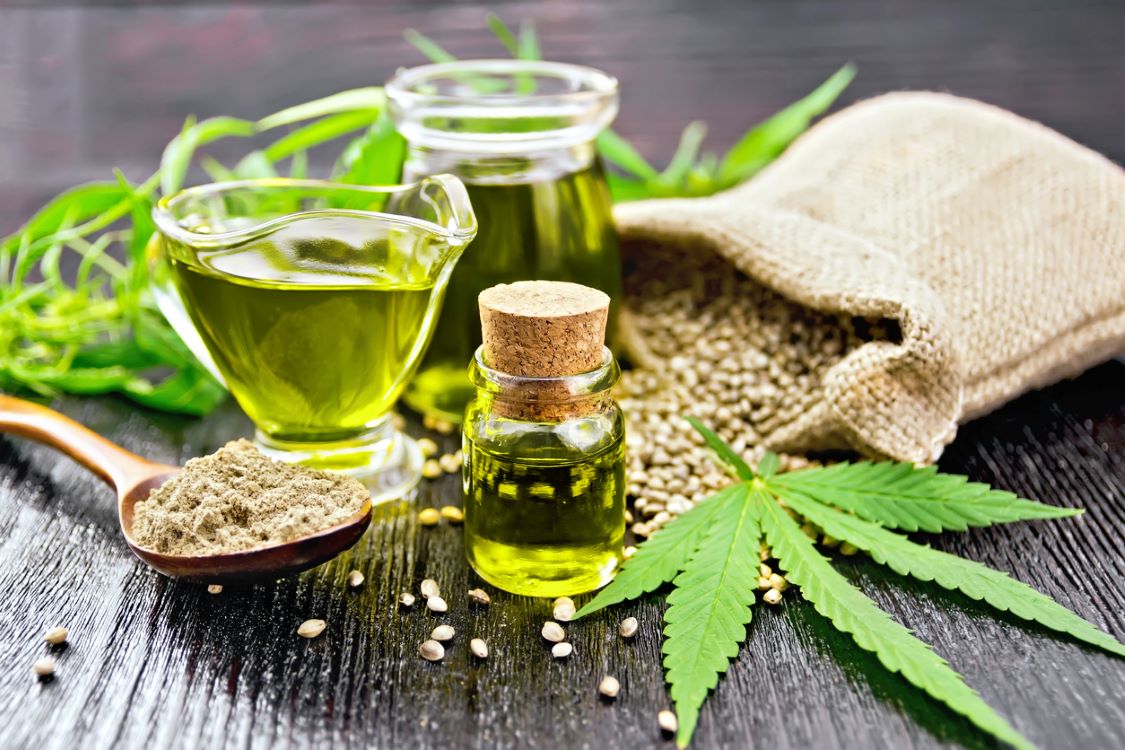
Hemp can be used to manufacture a wide variety of products.
1. Hemp Fiber and Textiles
Hemp fiber has traditionally been used to produce textiles, rope, fabrics, paper, and other industrial materials.
The UAE customs tariff documentation includes classifications for true hemp (Cannabis sativa L.), including raw or processed hemp that has not been spun.
These industrial applications are different from cannabinoid-containing products and should not automatically be grouped together.
2. Hemp Seeds
Hemp seeds are used in some food products because they contain nutrients such as protein, fats, and minerals.
However, food products containing hemp-derived ingredients can be subject to applicable food, labeling, import, and safety requirements. Businesses should verify the rules applying to a particular product before importing or marketing it.
3. Hemp Seed Oil
Hemp seed oil is produced from hemp seeds rather than being the same thing as CBD oil.
This distinction is important. Hemp seed oil naturally differs from cannabinoid extracts in its composition and intended applications.
It may be used in cosmetics, food products, or other formulations depending on the jurisdiction and product classification.
4. Hemp-Based Cosmetics
Hemp-derived ingredients can appear in personal-care and cosmetic formulations such as creams, lotions, soaps, and skin-care products.
The regulatory treatment of a cosmetic can depend on its ingredients, intended purpose, labeling, claims, and other requirements.
Businesses should therefore assess the complete formulation rather than assuming that a product is permitted simply because it contains a hemp-derived ingredient.
5. CBD Products
CBD, or cannabidiol, is a cannabinoid associated with cannabis and hemp.
Products containing CBD can include oils, capsules, gummies, cosmetics, beverages, and other formulations.
These products require substantially more regulatory attention than ordinary hemp fiber because they contain a cannabinoid extract or isolate.
A product described as “hemp-derived CBD” should not automatically be considered legal for sale, importation, possession, or consumption in the UAE.
Hemp vs CBD: What’s the Difference?
One of the most common sources of confusion is treating hemp and CBD as interchangeable terms.
Hemp refers to the plant or materials derived from particular hemp varieties.
CBD refers to cannabidiol, a specific cannabinoid.
A hemp product may contain no meaningful amount of CBD. For example, hemp fiber and hemp seed products are fundamentally different from CBD extracts.
Similarly, a CBD product may be manufactured from hemp but still fall under a different regulatory framework because of its cannabinoid content.
Understanding this distinction is particularly important for businesses preparing product descriptions, import documentation, labeling, and compliance materials.
Are Hemp-Derived Products Legal in the UAE?
There is no single answer that applies to every product described as “hemp-derived.”
The UAE’s regulatory framework distinguishes between different substances and product categories. Cannabis and controlled substances are subject to strict controls, and the official UAE government platform directs users to federal laws and the UAE Official Gazette for authoritative legal information.
Businesses should therefore establish the exact regulatory classification of a product before importing or selling it.
This is especially important for cannabinoid-containing products. A statement such as “hemp-derived,” “natural,” or “THC-free” should not be treated as a legal authorization.
Hemp-Derived Products and THC
THC, or tetrahydrocannabinol, is a cannabinoid associated with the intoxicating effects of cannabis.
Some hemp-derived extracts can contain cannabinoids including THC depending on the plant material and extraction process.
Consequently, anyone evaluating a hemp-derived cannabinoid product should examine its laboratory documentation and exact composition rather than relying solely on its marketing description.
For businesses, testing and documentation can also help establish what is actually present in a particular batch.
Why Certificates of Analysis Matter
A Certificate of Analysis (COA) is a laboratory report showing analytical results for a particular product or batch.
Depending on the testing panel, a COA may provide information about:
- CBD concentration
- THC concentration
- Other cannabinoids
- Heavy metals
- Pesticides
- Microbial contamination
- Residual solvents
Laboratory documentation does not by itself establish that a product is legally permitted in the UAE. However, it can provide useful information about the product’s actual composition.
Businesses importing or distributing regulated products should obtain appropriate professional advice regarding the testing and documentation required for their particular category.
Hemp-Derived Products and UAE Importation
Importation is another important consideration. Hemp-Derived Products in the UAE
A product that can be legally purchased in one country may be subject to different requirements when brought into the UAE. This can apply to products containing cannabinoids, extracts, medicines, cosmetics, food ingredients, or other regulated substances.
Travelers should be particularly careful when carrying hemp-derived cannabinoid products through UAE airports. Hemp-Derived Products in the UAE
The UAE’s official controlled-substance information specifically identifies cannabis sativa/Indian hemp as prohibited in its traveler guidance.
For this reason, travelers should verify the current rules before carrying any cannabis- or cannabinoid-related product across an international border. Hemp-Derived Products in the UAE
Hemp-Derived Products for Businesses
Companies considering hemp-related products for the UAE market should approach compliance as a product-specific issue.
Before importing or selling a product, businesses should consider:
Product composition: Determine exactly what ingredients and cannabinoids are present.
Product classification: Establish whether the item is considered a food, cosmetic, industrial material, medicine, controlled substance, or another category. Hemp-Derived Products in the UAE
Laboratory testing: Obtain appropriate analytical documentation where required.
Labeling: Ensure packaging and product information comply with applicable requirements.
Import requirements: Confirm customs and regulatory requirements before shipment.
Marketing claims: Avoid unsupported medical or therapeutic claims. Hemp-Derived Products in the UAE
Licensing: Determine whether the business activity or product requires specific approvals, registrations, or permits.
The UAE provides official information about certificates, permits, and business requirements through its government portal.
Hemp-Derived Products and Online Advertising
Businesses should also consider the rules governing online content and advertising. Hemp-Derived Products in the UAE
The UAE’s official government platform states that its Internet Access Management policy includes restrictions covering drugs, prohibited commodities and services, and certain medical and pharmaceutical practices that violate UAE law.
As a result, businesses operating websites targeting UAE consumers should review both their products and their marketing content.
SEO content should provide accurate educational information rather than making unsupported claims about legality, medical benefits, or availability.
How to Research Hemp Products Responsibly
Consumers and businesses researching hemp-derived products in the UAE can follow several practical steps.
First, identify the exact product category. Hemp-Derived Products in the UAE
Second, check the full ingredient list rather than relying on the word “hemp.”
Third, determine whether the product contains cannabinoids such as CBD or THC.
Fourth, request appropriate laboratory documentation where applicable.
Fifth, verify current UAE requirements using official government and regulatory sources. Hemp-Derived Products in the UAE
Finally, obtain professional legal or regulatory advice when the status of a particular product is uncertain.
Final Thoughts
Hemp-derived products in the UAE cover a broad range of materials, from industrial hemp fiber and textiles to hemp seeds, cosmetics, and cannabinoid-containing products. These categories should not be treated as legally identical.
The key distinction is the product’s actual composition, intended use, and regulatory classification.
UAE authorities maintain strict controls around cannabis and controlled substances, and official guidance identifies cannabis sativa/Indian hemp within the country’s controlled-substance framework. Hemp-Derived Products in the UAE
For anyone considering a hemp-derived product, particularly a CBD or other cannabinoid product, checking current UAE requirements is essential. Product descriptions such as “hemp-derived,” “natural,” or “THC-free” should not be interpreted as automatic permission to import, sell, possess, or consume the product. Hemp-Derived Products in the UAE
For consumers, travelers, and businesses alike, the most responsible approach is to verify the current regulations, understand the exact composition of the product, maintain appropriate documentation, and seek qualified regulatory advice whenever the legal position is unclear.