
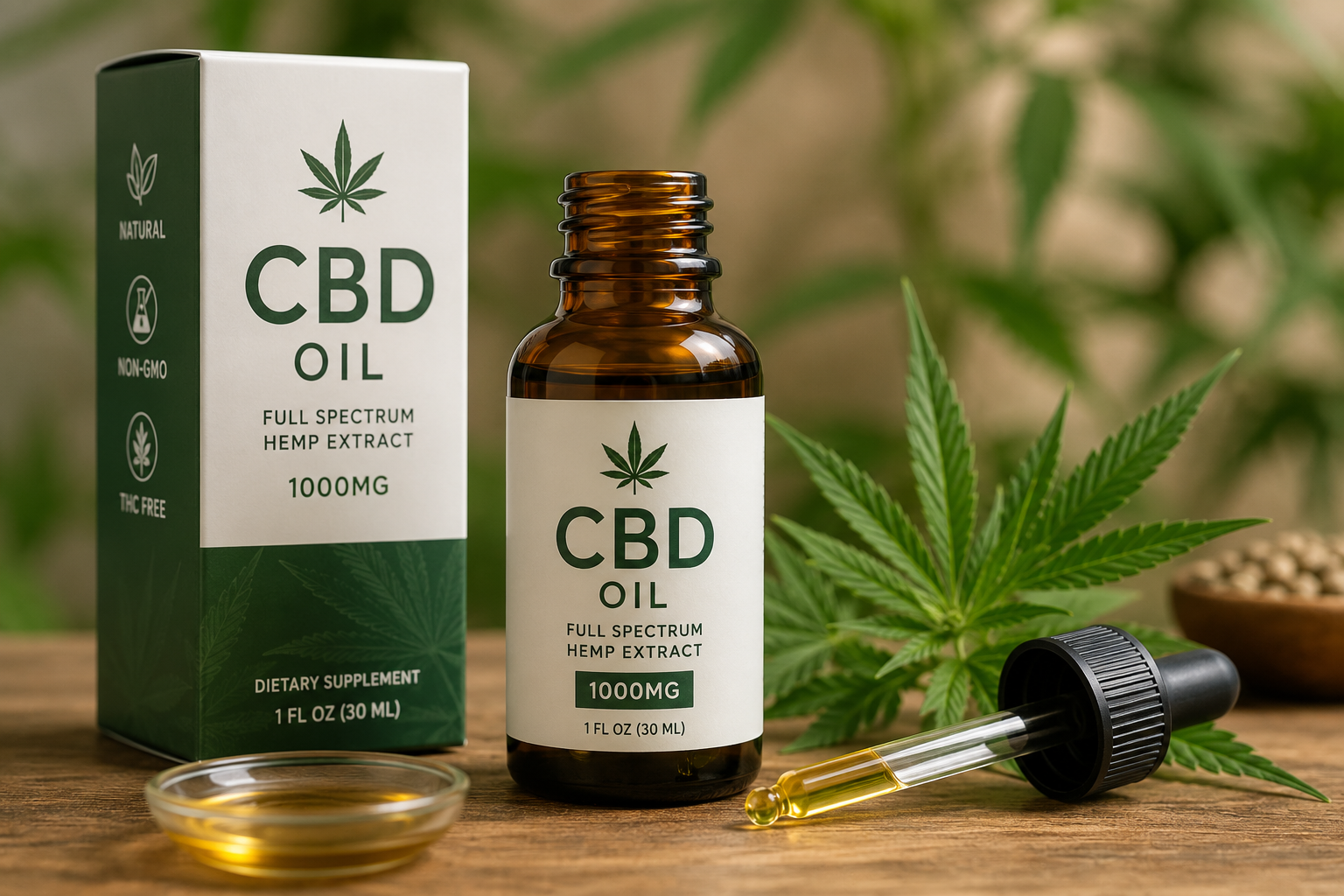
CO2 Extraction vs Ethanol Extraction CBD
CO2 Extraction vs Ethanol Extraction CBD: Understanding the Differences Between CBD Extraction Methods
Introduction
The quality, purity, and effectiveness of CBD products depend heavily on how cannabidiol (CBD) is extracted from hemp plants. Among the most common extraction methods used in the CBD industry are CO2 extraction and ethanol extraction. Both techniques are designed to separate valuable cannabinoids and plant compounds from hemp, but they work in very different ways.
Understanding the difference between CO2 extraction vs ethanol extraction CBD can help consumers make more informed decisions when choosing CBD oils, gummies, capsules, and other hemp-derived products. Each extraction method has advantages and limitations related to purity, efficiency, cost, and the preservation of natural plant compounds.
In this guide, we will compare CO2 extraction and ethanol extraction, explain how each process works, and explore which method may be better suited for producing high-quality CBD products.
What Is CBD Extraction?
CBD extraction is the process of removing cannabidiol and other beneficial compounds from hemp plants. Raw hemp contains cannabinoids, terpenes, flavonoids, plant oils, and other natural components. Extraction separates these compounds from the plant material so they can be processed into usable CBD products.
The extraction method used can influence:
- CBD concentration
- Product purity
- Flavor and aroma
- Preservation of terpenes
- Presence of unwanted plant materials
- Overall product quality
The two most popular commercial extraction methods are carbon dioxide (CO2) extraction and ethanol extraction.
What Is CO2 Extraction for CBD?
CO2 extraction is one of the most advanced and widely used methods for producing premium CBD products. This technique uses carbon dioxide under controlled pressure and temperature conditions to extract cannabinoids from hemp.
During the process, CO2 is transformed into a state called supercritical carbon dioxide, where it has properties of both a liquid and a gas. This allows it to penetrate hemp plant material and efficiently extract CBD and other beneficial compounds.
How CO2 Extraction Works
The CO2 extraction process generally involves several steps:
1. Hemp Preparation
High-quality hemp plants are dried and processed into smaller pieces to increase the surface area available for extraction.
2. CO2 Application
Carbon dioxide is placed into an extraction chamber where pressure and temperature are carefully controlled. The supercritical CO2 passes through the hemp material and collects cannabinoids, terpenes, and other compounds.
3. Separation Process
After extraction, the pressure is reduced, causing CO2 to separate from the extracted plant compounds. The result is a concentrated CBD extract.
4. Refinement
The extract may go through additional filtration or refinement processes to remove unwanted substances and create different CBD formulas.
Advantages of CO2 Extraction CBD
High Purity Levels
CO2 extraction is known for producing very clean CBD extracts. Since carbon dioxide leaves no harmful solvent residue, the final product can be highly pure when processed correctly.
Better Control Over Extraction
Manufacturers can adjust temperature and pressure settings to selectively extract specific compounds. This allows better control over cannabinoid and terpene profiles.
Preservation of Natural Compounds
When performed correctly, CO2 extraction can preserve valuable hemp compounds such as terpenes and flavonoids, which contribute to the plant’s natural characteristics.
Environmentally Friendly Process
Carbon dioxide can be recycled and reused during extraction, making it an environmentally conscious option compared with some chemical-based extraction methods.
Disadvantages of CO2 Extraction
Despite its benefits, CO2 extraction also has some challenges:
Higher Equipment Costs
CO2 extraction requires expensive specialized equipment and trained professionals, which can increase production costs.
Complex Process
The method requires precise control of pressure and temperature. Poorly managed extraction conditions can affect the quality of the final CBD extract.
Longer Setup Time
Compared with simpler extraction techniques, CO2 extraction can require more time and technical expertise.
What Is Ethanol Extraction for CBD?
Ethanol extraction uses food-grade alcohol (ethanol) as a solvent to extract CBD and other hemp compounds. Ethanol is highly effective because it can dissolve cannabinoids, terpenes, and plant materials from hemp. CO2 Extraction vs Ethanol Extraction CBD
This method has been used for decades in the food, pharmaceutical, and natural product industries because ethanol is considered a safe and effective extraction solvent.
How Ethanol Extraction Works
The ethanol extraction process typically includes: CO2 Extraction vs Ethanol Extraction CBD
1. Hemp Preparation
The hemp plant material is dried and prepared before extraction.
2. Ethanol Solvent Application
Ethanol is passed through or mixed with hemp material. The alcohol dissolves cannabinoids and other plant compounds.
3. Filtration
The mixture is filtered to separate plant material from the cannabinoid-rich liquid.
4. Ethanol Removal
The ethanol is removed through evaporation or specialized equipment, leaving behind a concentrated CBD extract.
Advantages of Ethanol Extraction CBD
Efficient Extraction Process
Ethanol can extract CBD quickly and efficiently, making it suitable for large-scale CBD production.
Extracts Multiple Plant Compounds
Ethanol can capture a wide range of hemp compounds, including cannabinoids, terpenes, and chlorophyll.
Lower Production Costs
Compared with CO2 extraction systems, ethanol extraction equipment is often less expensive, allowing manufacturers to produce CBD products more economically.
Scalable for Commercial Production
Because ethanol extraction is relatively simple and efficient, it can be used for producing large quantities of CBD extract.
Disadvantages of Ethanol Extraction
Chlorophyll Extraction
Ethanol can also extract chlorophyll from hemp, which may create a stronger plant taste and darker color. Additional filtration may be required.
Possible Loss of Terpenes
High temperatures used during ethanol removal can affect delicate aromatic compounds like terpenes.
Solvent Management
Although ethanol is generally considered safe, manufacturers must properly remove and test for residual solvents to ensure product quality.
CO2 Extraction vs Ethanol Extraction CBD: Key Differences
Extraction Method
The biggest difference between these methods is the extraction solvent.
- CO2 extraction uses carbon dioxide under controlled pressure and temperature.
- Ethanol extraction uses alcohol to dissolve hemp compounds.
Both methods can produce high-quality CBD when performed correctly.
Purity and Safety
CO2 extraction is often associated with premium CBD products because it does not leave solvent residues when properly processed.
Ethanol extraction can also produce safe CBD products, but manufacturers must carefully remove remaining ethanol and perform laboratory testing. CO2 Extraction vs Ethanol Extraction CBD
Cost
CO2 extraction generally has higher equipment and operational costs due to its advanced technology.
Ethanol extraction is usually more affordable and easier to scale.
Terpene Preservation
Both extraction methods can preserve terpenes, but extraction conditions play a major role.
Carefully controlled CO2 extraction can help protect delicate compounds, while ethanol extraction may require additional processing to maintain terpene profiles.
Production Efficiency
Ethanol extraction is often faster and more cost-effective for large-volume production.
CO2 extraction provides greater control and customization but requires more technical expertise.
Which CBD Extraction Method Is Better?
There is no single extraction method that is automatically better for every CBD product. The best choice depends on the manufacturer’s goals, product type, and quality standards. CO2 Extraction vs Ethanol Extraction CBD
CO2 extraction is often preferred for:
- Premium CBD oils
- High-purity extracts
- Products requiring precise cannabinoid profiles
- Brands focusing on advanced extraction technology
Ethanol extraction may be preferred for:
- Large-scale CBD production
- Full-spectrum extracts
- Manufacturers seeking efficient production methods
- Products containing a broad range of hemp compounds
- CO2 Extraction vs Ethanol Extraction CBD
The quality of the final CBD product depends not only on the extraction method but also on hemp quality, manufacturing practices, laboratory testing, and storage conditions.
Why Third-Party Testing Matters
Regardless of whether CBD is extracted using CO2 or ethanol, third-party laboratory testing is an important indicator of product quality.
A reliable CBD product should have a certificate of analysis (COA) showing:
- CBD concentration
- Cannabinoid profile
- Terpene levels
- Heavy metal testing
- Pesticide screening
- Residual solvent testing
- CO2 Extraction vs Ethanol Extraction CBD
Laboratory testing provides transparency and helps consumers understand exactly what is inside a CBD product.
Final Thoughts: CO2 Extraction vs Ethanol Extraction CBD
When comparing CO2 extraction vs ethanol extraction CBD, both methods offer unique benefits. CO2 extraction is known for precision, purity, and advanced technology, while ethanol extraction is valued for efficiency, affordability, and its ability to extract a broad range of hemp compounds. CO2 Extraction vs Ethanol Extraction CBD
For consumers, the extraction method is only one factor to consider when choosing CBD products. High-quality hemp sourcing, transparent testing, proper manufacturing, and responsible production practices are equally important.
Whether a CBD product is made using CO2 extraction or ethanol extraction, the most important factor is choosing products from manufacturers that prioritize quality, safety, and transparency. CO2 Extraction vs Ethanol Extraction CBD